id: byshrb

Pomóż Henry’emu wrócić do zdrowia, życia i muzyki!

Pomóż Henry’emu wrócić do zdrowia, życia i muzyki!

 
Henadzi Burakouski

Updates2

  • Hi, I’m home.

    The worst is behind me — everything worked out.

    The new bone marrow is taking hold, my counts have started to rise quickly, and I was discharged yesterday. Though I was warned not to get too excited about the word “discharge”: my condition is still far from being called healthy :)

    It took only 13 days from the day of the transplant for me to be able to leave the isolation room. That was possible partly thanks to some special medications that, for example, aren’t available in Belarus. I’ve heard that people there sometimes have to stay isolated for up to three months after a transplant because they lack these supportive drugs (filgrastim). It’s really sad if that’s true. Once again over these two years, I’m deeply grateful to have ended up here.


    But you probably want to know how it all went :)


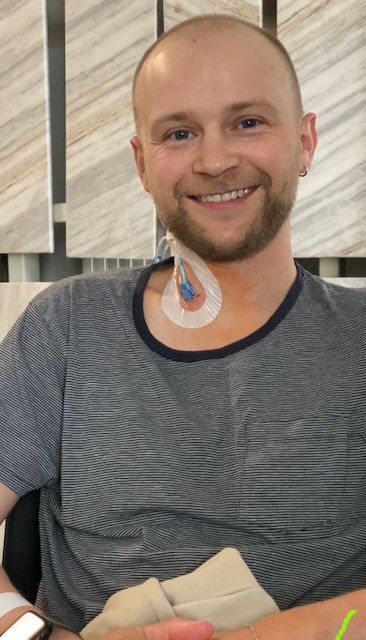
    So, on the first day after admission, everything started with the placement of a central catheter. The procedure is very unpleasant — they basically insert two connected tubes, each about 15 centimeters long, into a vein in your neck. I’d had one put in before, last summer, when they collected my stem cells, so the second time wasn’t as scary, but still unpleasant because I already knew exactly what it would feel like. Local anesthesia, some weird sensations when you feel something being cut inside you. But the goal justifies it — it saves the veins in your arms, and afterward any IV drip or blood test is simply connected to the catheter. Honestly, I was thrilled about this option, because last year, every two weeks (sometimes more often), so many needles went into my arms that finding a usable vein became harder and harder. They literally “search” for it by poking the needle around under your skin. So yeah — central catheter for the win 😄


    On the second day, conditioning chemo began. For a week, every morning and evening, they poured all sorts of drugs into me. All unpleasant, but overall, that first week could be summed up as “getting into condition.” It was more boring than bad: some nausea, a bit of bodily confusion, but actually easier than some of the previous rounds of chemo I’d had. The whole point was that these drugs have a cumulative and delayed effect, so that by transplant day, everything inside is ready for what needs to happen.


    There was one very hard day, though. On the first day of chemo, one of the drugs was mixed with alcohol — and all of it, of course, went straight into my veins. If I had to describe the feeling, it’s like having food poisoning and the flu at the same time, and deciding to go to a bar and drink four beers on top of it — something like that :) Even anti-nausea meds barely helped, but thankfully it lasted only one day, and the next drugs were more humane.


    I already had a rough idea of what was coming next (thanks to a friend who went through it a year before me). Still, it was scary — the sensations were new, strange, unpleasant. I have to say, the medical staff were amazing: they supported me, answered every question kindly, helped out, joked, cared — even in the middle of the night if something went wrong.


    So, a week passed. I still felt relatively okay. They gave me the final drug — melphalan. That’s the main boss. It’s administered on the last day before the transplant to completely “burn out” the bone marrow and make space for new cells. It came in a small 200-gram bag that dripped into me for about 15–20 minutes — and that was it. Then one rest day before the transplant. At first, you don’t feel anything; I went to bed peacefully. But that night, a strange sensation woke me up. It wasn’t pain, or weakness — more like some dark void inside me, humming and spreading, sucking me down, pressing me to the ground. It even has its own characteristic sound — if you see me, ask, I’ll try to imitate it. That night I realized: this is where the descent begins.


    On transplant day, that feeling eased a bit. I was alert, though my intestines had already started hinting they were temporarily out of service :)


    The transplant itself is actually quite a sweet event: they brought in two small bags of my luxurious stem cells and even complimented me on how many I had produced. They hooked them up like an IV drip. I chatted with the nurse and doctor — forty minutes, and done. My cells were home again.

    And that same day I had a little celebration: for my immune system’s birthday, my friends had sent me letters to the hospital! It felt like Christmas — unwrapping them, reading, smiling, feeling happy. It was such a bright and unusual day :)


    But the real “fun” begins after the transplant. As my friend warned me:

    “The whole trick is that you don’t feel the main effects of chemo right away — it kicks in with a delay. And the stem cells you’re given also don’t start engrafting immediately — maybe after a week if you’re lucky. So for the first week after the transplant, you feel all the chemo effects in full color, while your body has zero resources left to regenerate.”


    That’s exactly how it went. Almost no energy, no appetite, constant nausea — yet you have to force yourself to eat, sometimes unsuccessfully because the soup decides not to stay long. You call the nurse — another dose of antiemetics, wait fifteen minutes, and try again.

    All the mucous membranes — mouth, throat, esophagus — get inflamed. Every swallow feels like a knife, even drinking water hurts, not to mention food. By day five, regular painkillers stopped working, and they switched me to morphine. It still hurt, but at least I could sleep.


    And I was so glad I’d brought protein shakes — they saved me. Easy to drink, gentle on the throat, and no awful smell to trigger nausea. A real lifesaver — I don’t know how I’d have managed without them. Another good trick, courtesy of my doctor: stock up on baby food. That helped a lot too — sometimes I’d wake up in the night, feel hungry, and sense a tiny window of “okayness,” and I made sure not to waste those moments.


    The intestines were also rebelling. Very little energy, hard to move, yet every two hours at night I’d get up to rinse my mouth and try to help myself somehow. Endless IV drips — thankfully now mostly supportive ones.

    And when my counts dropped too low, I had my first-ever plasma and platelet transfusions. The platelet one was even a bit funny: the doctor came in the morning and told me my platelets were so low I shouldn’t get up or walk around because if I fell or got hurt, I could start internal bleeding and they wouldn’t be able to save me. The transfusion was scheduled for the afternoon — so I lay very still, anxious, and waited. Watching those little bags during the transfusion was strange — knowing bits of other people (several, actually) were entering me. But I was grateful — I truly needed them.


    Anyway, there were many more unpleasant little adventures. But enough horror stories :)

    Strangely, the hardest physical days were somehow easier to bear — you just curl up and drift in and out of sleep all day. The worse were those moments when a little energy returned — just enough to feel restless, but not enough to actually do anything: head heavy, body twisting, unable to lie, sit, or walk comfortably. You just feel awful, wanting to crawl out of your own skin.


    But about a week after the transplant, I started feeling lighter. That too happened at night: I woke up realizing I’d slept differently — more peacefully, calmly. And inside, warmth was returning — strength, light.

    From then on, each day got better. I became braver with food, things began to heal and recover.

    The last five days were quiet and gentle — I was smiling again, even to myself. Sleeping sweetly, waking pleasantly (though I now wake up at six a.m. like an old man). There’s something wonderful in feeling like you’ve pushed off the bottom and can sense that unstoppable vector upward. My body knows what it needs — it’s fiercely reaching for it, soaking up energy.


    And then I stepped out of the room for the first time in three weeks — like a cat being taken out of its carrier. Eyes wide, looking at all the open space and the people in the corridor. Amazing, but also a little unsafe.

    Those were truly hard weeks. But I made it.

    Thanks to my family and friends who called every day, encouraging me even if they didn’t fully understand what was happening to me.


    And I really do feel wonderful — as much as possible. I’m so happy that I actually feel this energy and warmth inside, because I’d feared I might spend the next weeks or months as a shadow of myself. But no — I’m writing this with a clear head, lifted spirits, and warmth in my soul. Sure, I still have very few immune cells, and the ones I do have don’t yet have memory. Sure, there are months of strict diet and isolation ahead. But I’m happy to be in the comfort and warmth of a familiar place. I may still be peeking at the world through a narrow slit — but I’m home. I’ve come back. Renewed, and I think, already healthy in the one way that matters most.


    I turned on my old speakers (thankfully, Lyosha disinfected everything in advance). I’ve already listened to some jazz and ambient music… my eyes drift to the piano — feels like tomorrow I might want to play something :)


    And while I was in the hospital, I managed to talk with a journalist — and during the days when I was at my lowest, an article came out on Radio Free Europe. I share a few reflections on life there — maybe a bit of self-observation and a glimpse of what I’m living through now. Give it a read:

    https://www.svaboda.org/a/33562759.html


    Once again, thank you all for your support — it’s been a crucial part of my inner peace these past months <3


    MyoZqvM13aUzOs75.jpg

Add updates and keep supporters informed about the progress of the campaign.

Add updates and keep supporters informed about the progress of the campaign.
This will increase the credibility of your fundraiser and donor engagement.

Description

Help Henry return to health, life, and music!

ENGLISH VERSION BELOW / РУССКАЯ ВЕРСИЯ НИЖЕ ☺️

Эта платформа принимает и беларуские карты — без комиссии прийдет мне на счет ❤️‍🩹


Polski:


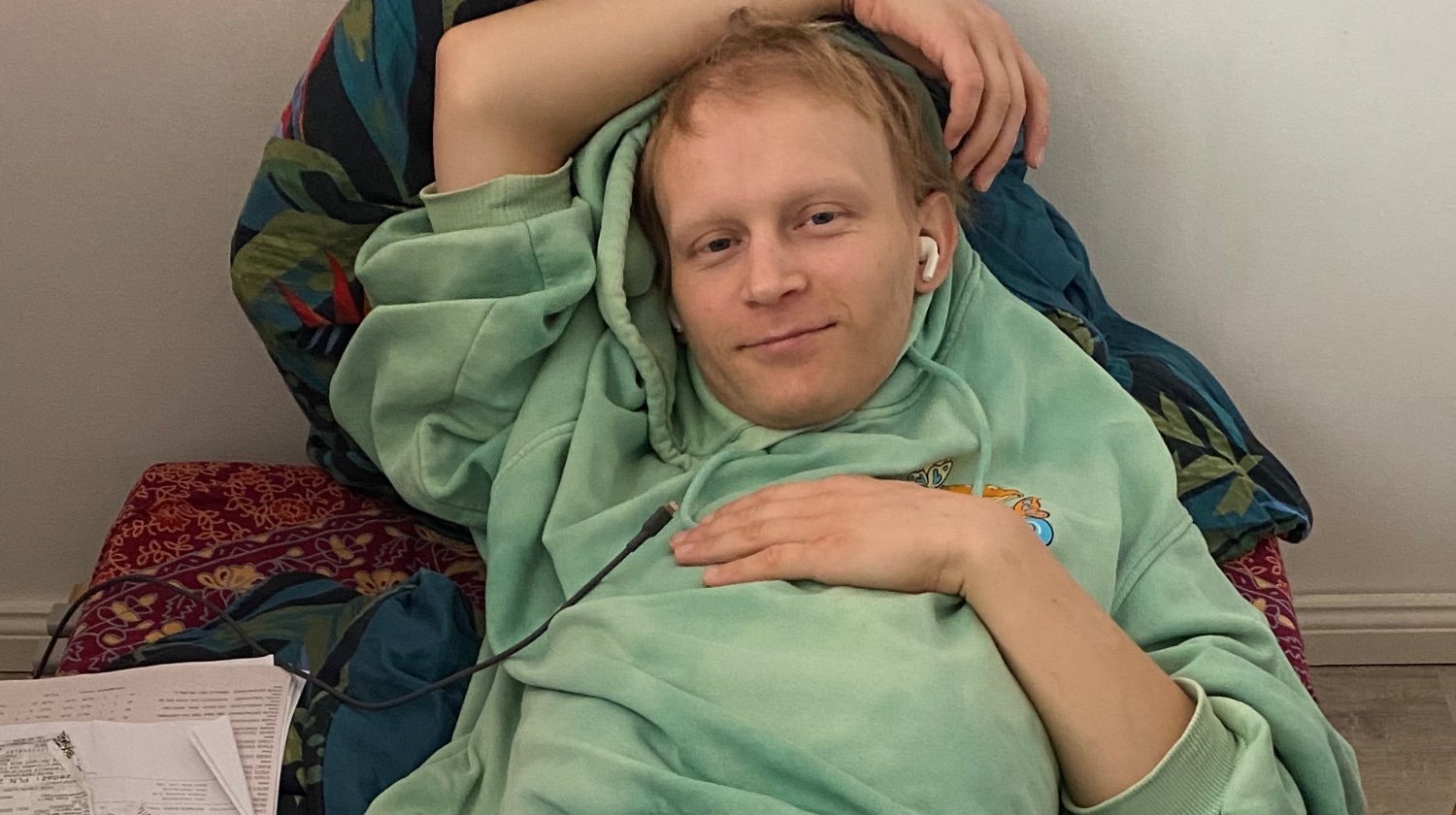
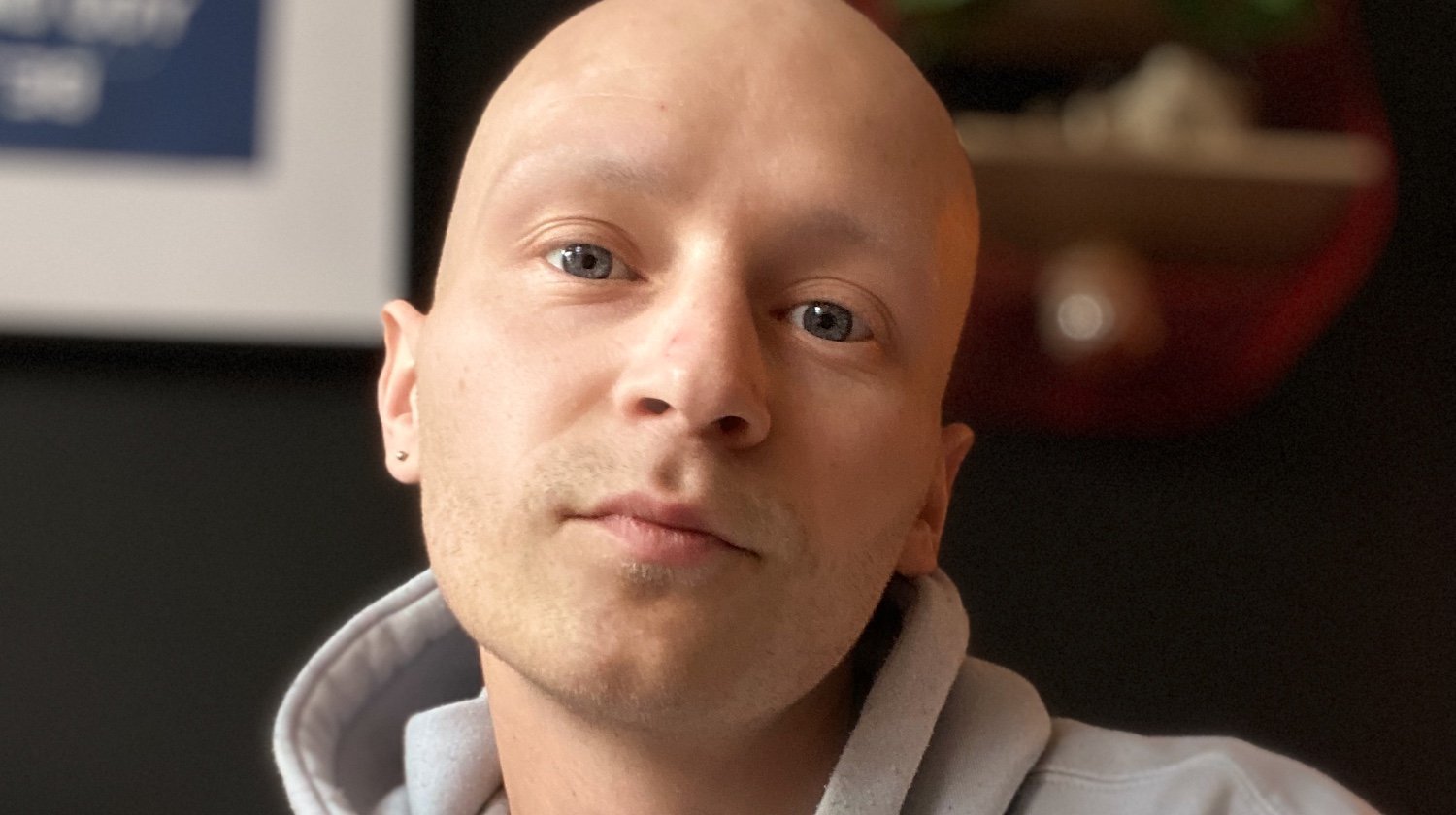
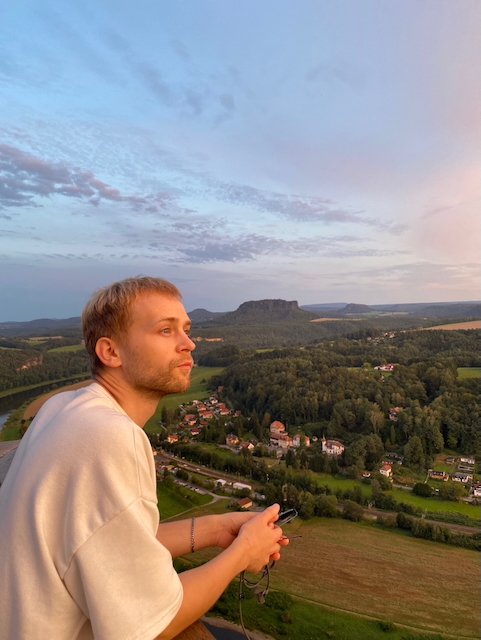
Cześć! Nazywam się Henadzi Burakouski, a przyjaciele mówią na mnie Henry. Półtora roku temu moje życie nagle się zmieniło – zdiagnozowano u mnie chłoniaka Hodgkina II stopnia z dużym guzem w klatce piersiowej.
BXC1t8xPt0V9SRvp.jpg


Chciałbym podzielić się z Wami moją historią:


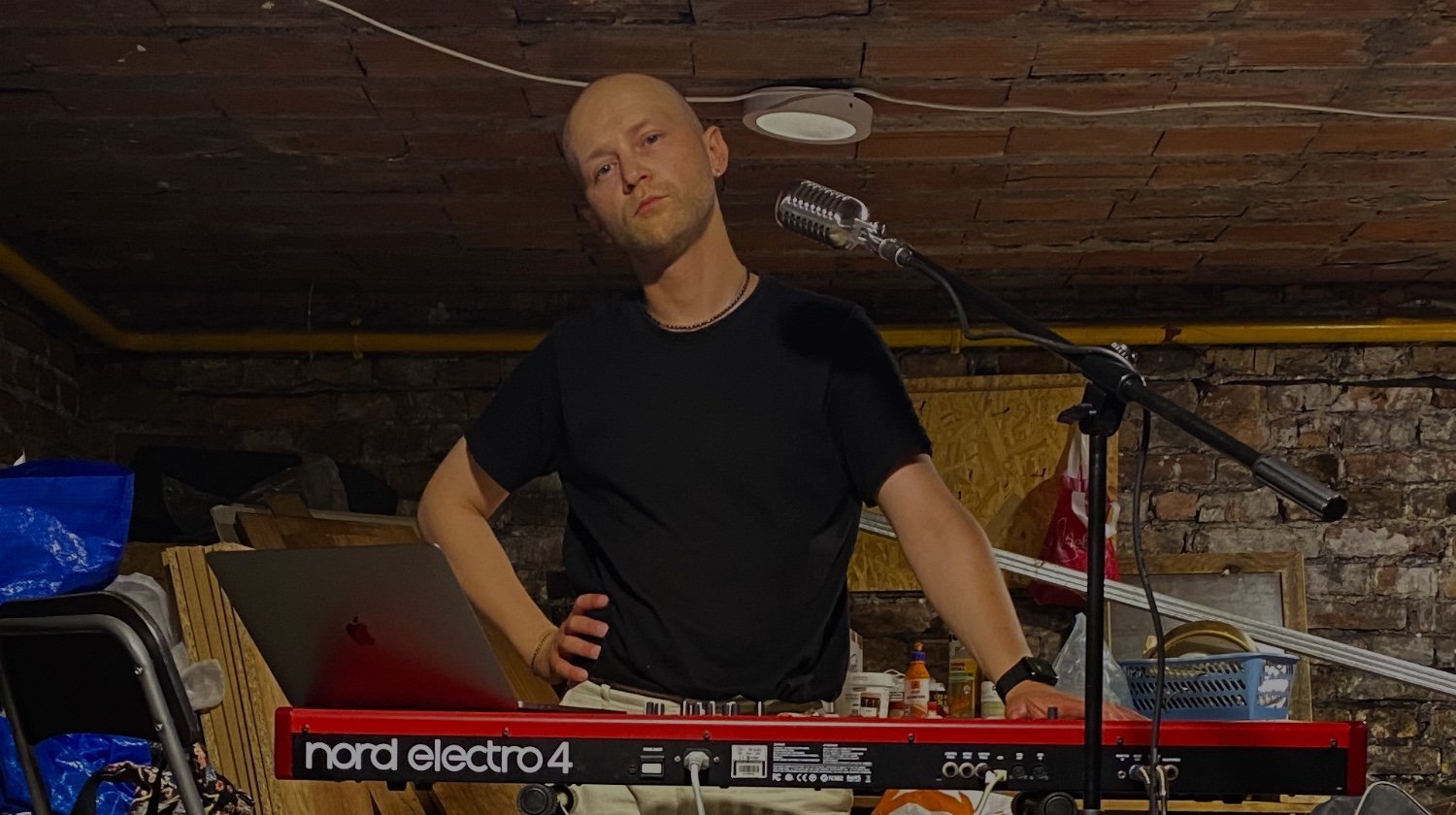
Cztery lata temu przeprowadziłem się do Polski, zostawiając dom i bliskich z powodu sytuacji politycznej. Nowy język, nowe miasto, trudności – nie było łatwo, ale znalazłem przyjaciół, pracę jako taksówkarz oraz możliwości rozwijania muzyki i sztuki. Był to trudny, ale w pewnym sensie piękny czas: poznawałem siebie i swoje możliwości na nowo.


Moja historia zaczęła się od silnego swędzenia pod koniec 2023 roku. Lekarze długo nie mogli znaleźć przyczyny – podejrzewali alergię, świerzb i przepisywali różne leki, które nie pomagały. W lutym 2024 roku pojawił się guz w klatce piersiowej. Badania wykazały ogromny guz śródpiersiowy – 15x12 cm, uciskający płuca i osierdzie oraz niszczący mostek.


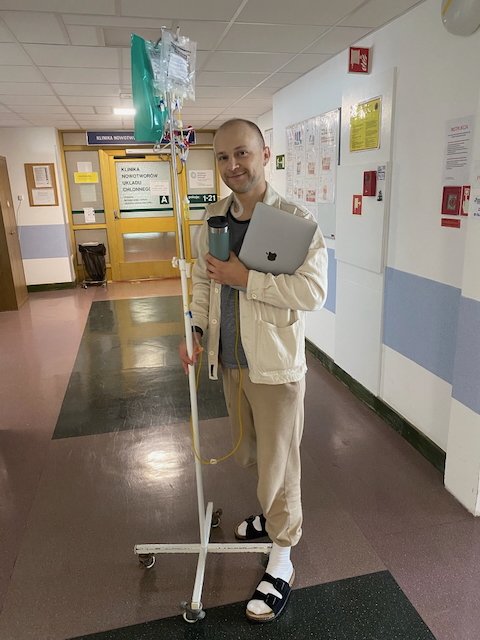
Pomimo objawów, czułem się stosunkowo dobrze, co dziwiło lekarzy. Początkowo podejrzewano mięsaka lub chłoniaka, aż biopsja potwierdziła chłoniaka Hodgkina – chorobę, którą można leczyć. W sierpniu 2024 roku rozpoczęto chemioterapię ABVD. Pierwsze dni po infuzjach były trudne – wypadanie włosów, suchość skóry, zmęczenie, ale po każdym cyklu pojawiała się nadzieja.

Do lutego 2025 roku, po pierwszej linii leczenia, guz powrócił i okazał się oporny. Dzięki lekarzowi mogłem rozpocząć immunoterapię i przygotować się do drugiej „ratującej” linii chemioterapii oraz autoprzeszczepu szpiku kostnego, zaplanowanego na październik. To najtrudniejszy etap – odporność będzie zerowa, a rekonwalescencja wymaga bezpiecznego miejsca z minimalnym kontaktem z innymi.


Moja prośba


Potrzebuję mieszkania na czas rekonwalescencji – bezpiecznego miejsca do życia i leczenia. Leczenie jest bezpłatne, ale wynajem i wyżywienie to realne obciążenie. Szacuję, że potrzebne jest około 30 000 zł na pół roku życia i opieki, w tym transport i leki. Wasza pomoc pozwoli mi wrócić do normalnego życia.


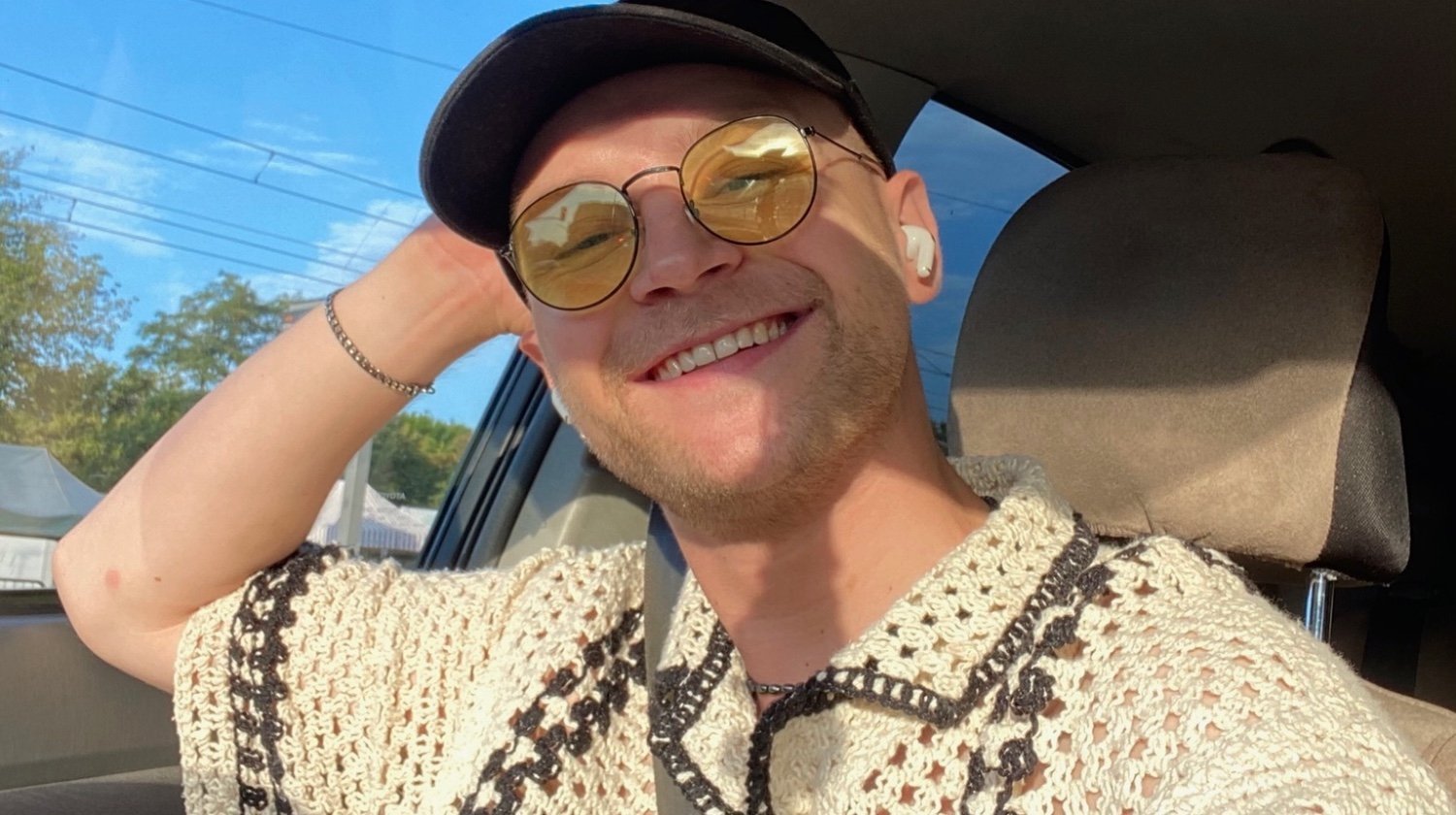
Po leczeniu planuję koncert online, aby osobiście podziękować każdemu, kto mnie wsparł.


Dziękuję, że poświęciliście czas, aby przeczytać moją historię. Wasza pomoc – finansowa, słowa wsparcia czy rady – jest niezwykle ważna. Mam wysokie szanse na wyleczenie i długą remisję i z niecierpliwością czekam na możliwość ponownego cieszenia się życiem i muzyką, pomagając innym tak, jak wy pomagacie mnie.


Z miłością,

Henadzi B.
IE9oEuH7ur2aUiVn.jpgMYQNrP8n6aONUBn6.jpg


ENGLISH:


Hi! My name is Henadzi Burakouski, and my friends call me Henry. A year and a half ago, my life changed suddenly – I was diagnosed with stage II Hodgkin lymphoma with a large tumor in my chest.


I want to share my story with you:


Four years ago, I moved to Poland, leaving my home and loved ones because of the political situation. A new language, a new city, difficulties – it was not easy, but I found friends, work as a taxi driver, and opportunities to pursue music and art. This was a challenging but in a way beautiful time: I was discovering myself and my potential in a new way.


My story began with severe itching at the end of 2023. Doctors could not find the cause for a long time – they suspected allergies or scabies and prescribed various medications that didn’t help. In February 2024, a tumor appeared in my chest. Examinations revealed a huge mediastinal tumor – 15x12 cm, compressing my lungs and heart lining, and destroying the breastbone.


Despite the symptoms, I felt relatively well, which surprised the doctors. At first, they suspected a sarcoma or lymphoma until a biopsy confirmed Hodgkin lymphoma – a treatable disease. In August 2024, I started ABVD chemotherapy. The first days after infusions were hard – hair loss, dry skin, fatigue – but after each cycle, hope appeared.


By February 2025, after the first line of treatment, the tumor returned and proved resistant. Thanks to my doctor, I was able to start immunotherapy and prepare for the second “rescue” line of chemotherapy and an autologous stem cell transplant, scheduled for October. This is the hardest stage – my immunity will be almost zero, and recovery requires a safe place with minimal contact with others.


My Request


I need an apartment during recovery – a safe place to live and undergo treatment. The treatment is free, but rent and food are a real burden. I estimate that around 30,000 PLN is needed for six months of living and care, including transport and medications. Your help will allow me to recover and return to normal life.


After treatment, I plan an online concert to personally thank everyone who supported me.


Thank you for taking the time to read my story. Your support – financial, words of encouragement, or advice – is extremely important. I have a high chance of recovery and long-term remission, and I eagerly look forward to enjoying life and music again, helping others as you help me.


With love,

Henadzi B.

______________


РУССКИЙ


Привет! Меня зовут Геннадий Бураковский, друзья называют меня Генри. Полтора года назад моя жизнь резко изменилась – мне диагностировали лимфому Ходжкина II стадии с большой опухолью в груди.


Хочу поделиться с вами своей историей:


Четыре года назад я переехал в Польшу, оставив дом и близких из-за политической ситуации. Новый язык, город, трудности — было непросто, но я нашёл друзей, работу в такси и возможности для музыки и искусства. Это время было тяжёлыми, но по своему прекрасным: я узнавал себя и свои возможности по-новому.


Моя история началась с сильного зуда в конце 2023 года. Врачи долго не могли найти причину – подозревали аллергию, чесотку и назначали разные лекарства, которые не помогали. В феврале 2024 года в груди появилась опухоль. Обследования показали огромную средостенную опухоль – 15x12 см, сдавливающую лёгкие и сердечную оболочку, а также разрушающую кость грудины.


Несмотря на симптомы, я чувствовал себя относительно хорошо, что удивляло врачей. Сначала подозревали саркому или лимфому, пока биопсия не подтвердила лимфому Ходжкина – болезнь, которую можно лечить. В августе 2024 года началась химиотерапия ABVD. Первые дни после инфузий были тяжелыми – выпадение волос, сухость кожи, усталость, но после каждого курса появлялась надежда.


К февралю 2025 года после первой линии лечения опухоль вернулась и оказалась устойчивой. Благодаря врачу я смог начать иммунотерапию и подготовиться ко второй "спасительной" линии химиотерапии и аутотрансплантации костного мозга, запланированной на октябрь. Это самый трудный этап – иммунитет будет нулевой, а восстановление требует безопасного места с минимальным контактом с другими.


Моя просьба


Мне нужна квартира на время восстановления – безопасное место для жизни и лечения. Лечение бесплатное, но аренда и питание – реальная нагрузка. Я оцениваю, что нужно около 30 000 злотых на полгода жизни и ухода, также транспорт и лекарства. Помощь позволит мне восстановиться и вернуться к нормальной жизни.


После лечения я планирую онлайн-концерт, чтобы лично поблагодарить каждого, кто поддержал меня.


Спасибо, что нашли время прочитать мою историю. Ваша помощь – финансовая, слова поддержки или советы – очень важны. У меня высокие шансы на излечение и длительную ремиссию, и я с нетерпением жду возможности снова наслаждаться жизнью и музыкой, помогая другим, как вы помогаете мне.


С любовью,

Геннадий Б.


В Instagram я планирую делиться своим лечением, мыслями и музыкой.

https://www.instagram.com/k.hanaji/

Location

Comments 2

 
2500 characters
  •  
    Anonymous user

    Géty šlâh ne budze prostym, ale haj ën budze najmenš skladanym dlâ câbe. Â ŭzgadaû câbe ŭ svaíh malítvah

    PLN 500
  •  
    Anonymous user

    God Bless you Gena🙏🏼

    PLN 550
We prioritize safety. If you have any concerns, please report this fundraiser using