WE'RE STILL SWITCHING ON THE LIGHT FOR UKRAINE
WE'RE STILL SWITCHING ON THE LIGHT FOR UKRAINE
Description
WHY WE'RE SWITCHING ON THE LIGHT FOR UKRAINE IN THE FIFTH YEAR OF WAR
Do we still need to help? Does our support even matter anymore? Yes, we get these questions. No matter how silly they might sound to someone who's spent the last four years surrounded by aid packages, buzzing drones, and wailing alarms, we need to answer them honestly. After all, there are no silly questions—just incomplete answers. So, let’s let the numbers do the talking.
Despite various international efforts to end the armed conflict in Ukraine, military actions and aggression from the Russian Federation are still ramping up. According to independent sources (like the BBC, World Bank, WHO, etc.), nearly 13 million people in Ukraine needed different types of humanitarian aid in the recently concluded year of 2025—the fourth year of war. The scale of damage to housing infrastructure is also staggering—over 2.5 million households have been damaged or destroyed due to military actions.
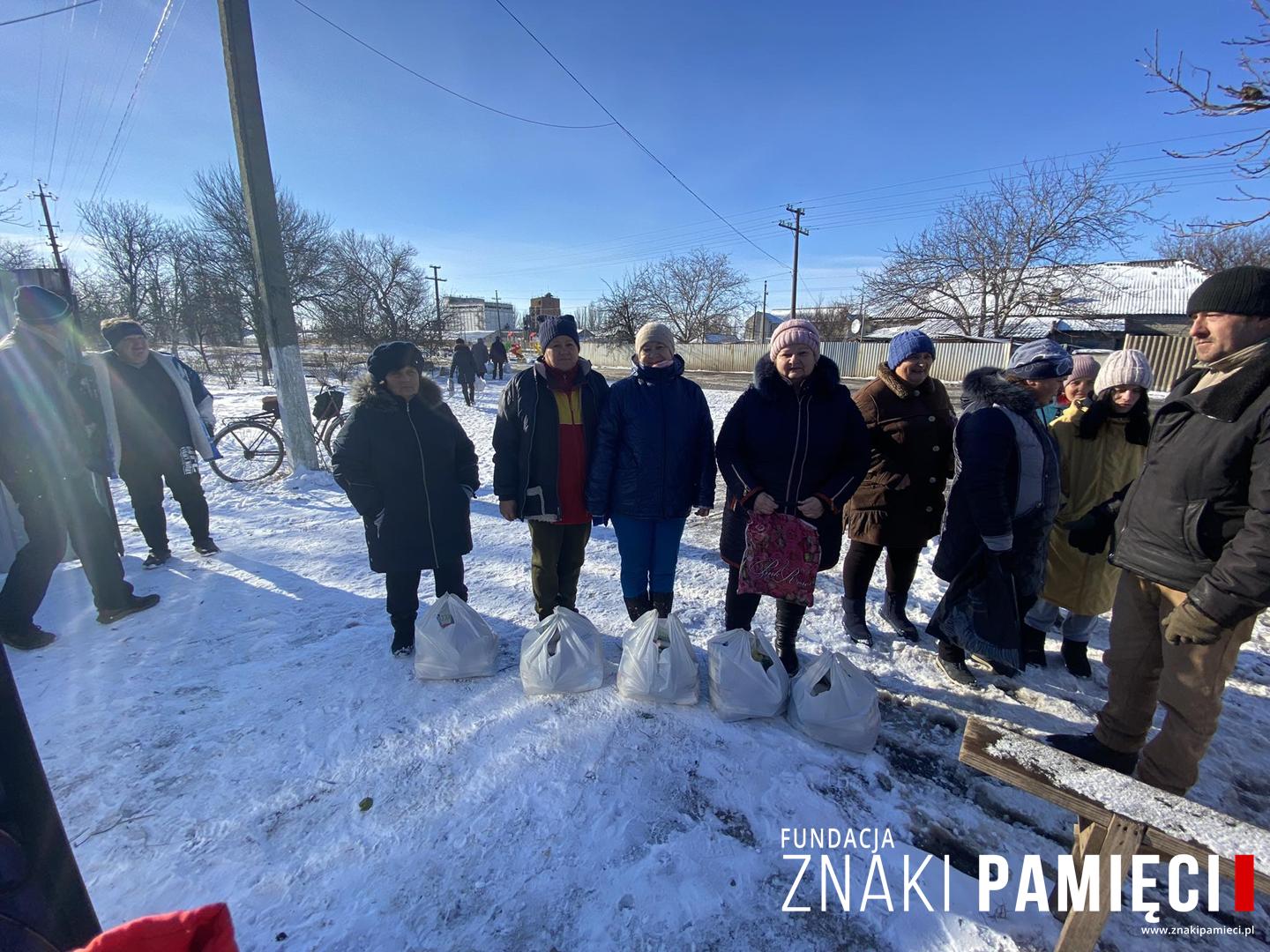
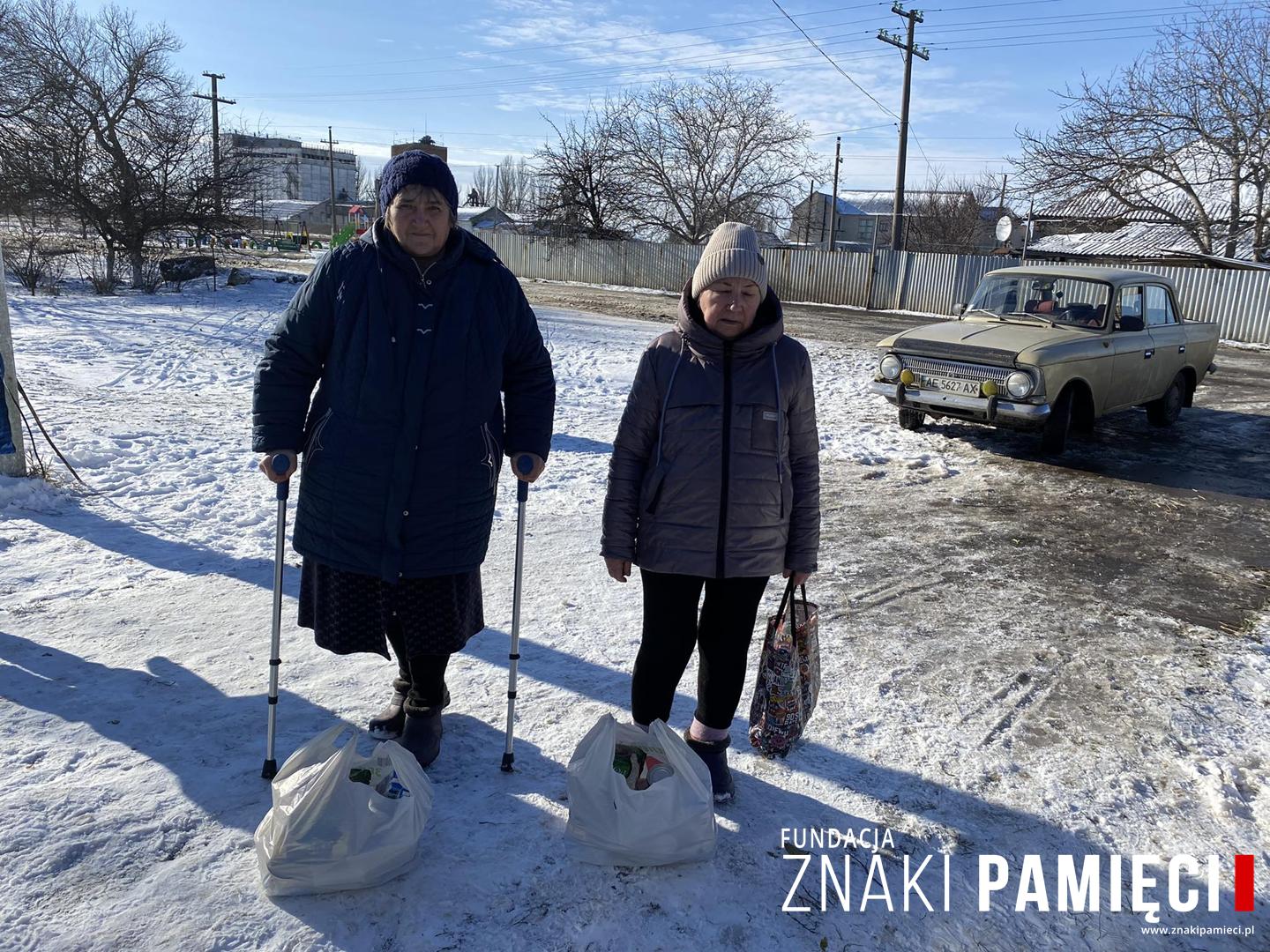
Winter 2025/2026 turned out to be the harshest in many years. Just like in Poland, temperatures in Ukraine dropped below -20 degrees Celsius at night, and the icy weather stuck around during the day. Russian attacks on energy infrastructure and civilian facilities have intensified over the last weeks of the previous year, making it harder or even impossible to access electricity, water, and healthcare services. This has led to an increasingly dire situation for civilians in big cities and smaller towns alike. Our friends in Ukraine—people we’ve been working with and supporting since the war began—are sending us desperate pleas for help, whether it's securing independent energy sources or meeting basic human needs like food, medicine, and warm clothing.
The rise in attacks on medical facilities and critical infrastructure is putting civilian lives at direct risk, and the increasing demand for support in various forms is confirmed by all available sources, both Ukrainian and foreign. This situation isn’t going to change anytime soon, even after the worst of the cold passes. Recent estimates suggest that about 65% of Ukraine's energy infrastructure has been damaged (some of it irreparably). So, we can expect energy shortages and associated threats to stick around for many months. The lack of power directly impacts every aspect of daily life, creating total chaos—no heating, water shortages due to non-operational pumps, communication breakdowns, and even medical equipment in hospitals failing to work.
These figures highlight the massive scale of destruction caused by Russian aggression and the immense (and long-lasting) needs for food security, electricity, and medical supplies—essentially meeting the basic living needs of a multi-million strong European community facing daily threats to their health and lives. Russian attacks on energy infrastructure and civilian facilities hinder or completely block access to electricity, water, and health services; thus, it’s natural that there’s an increased demand for health support and medical interventions in Ukraine.
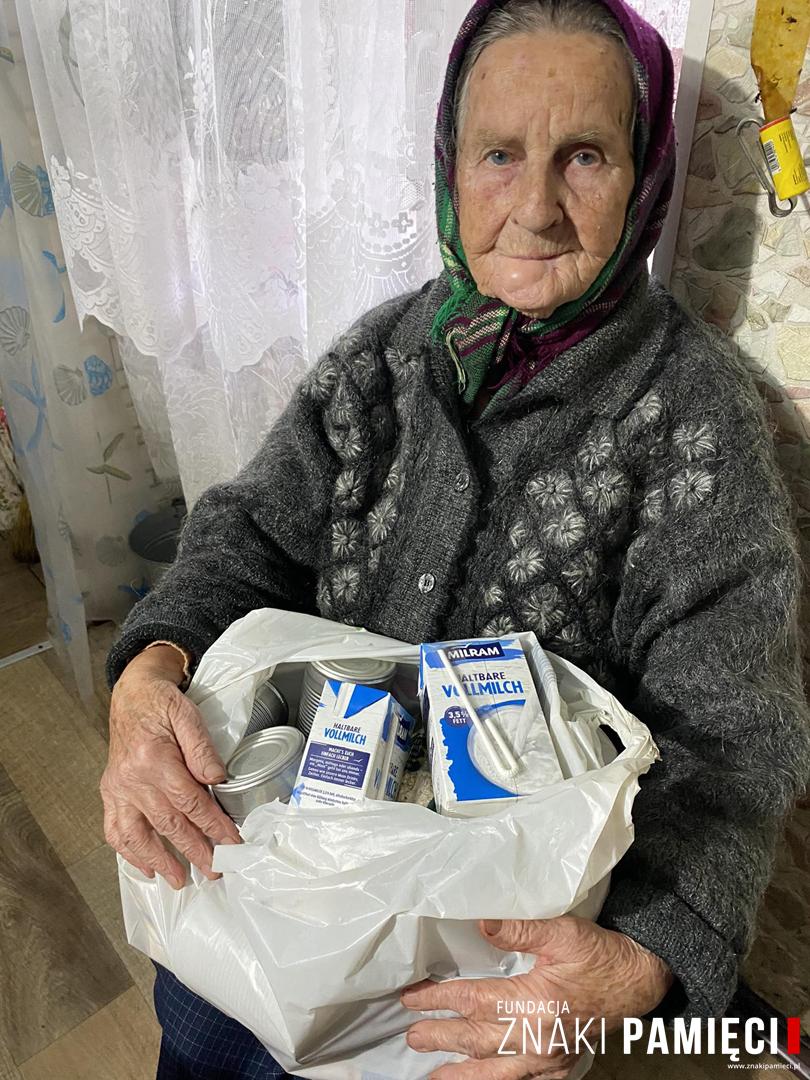
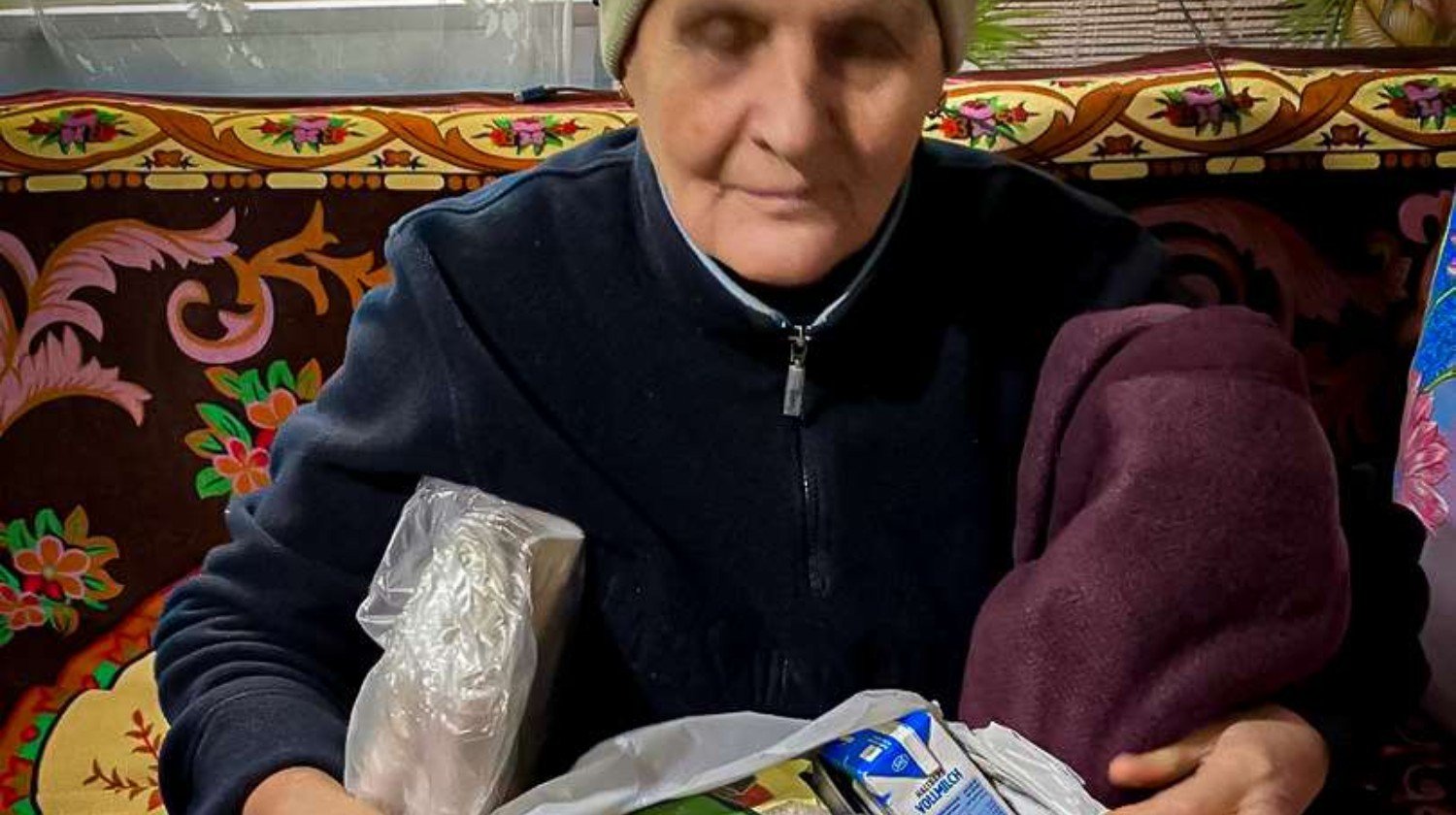
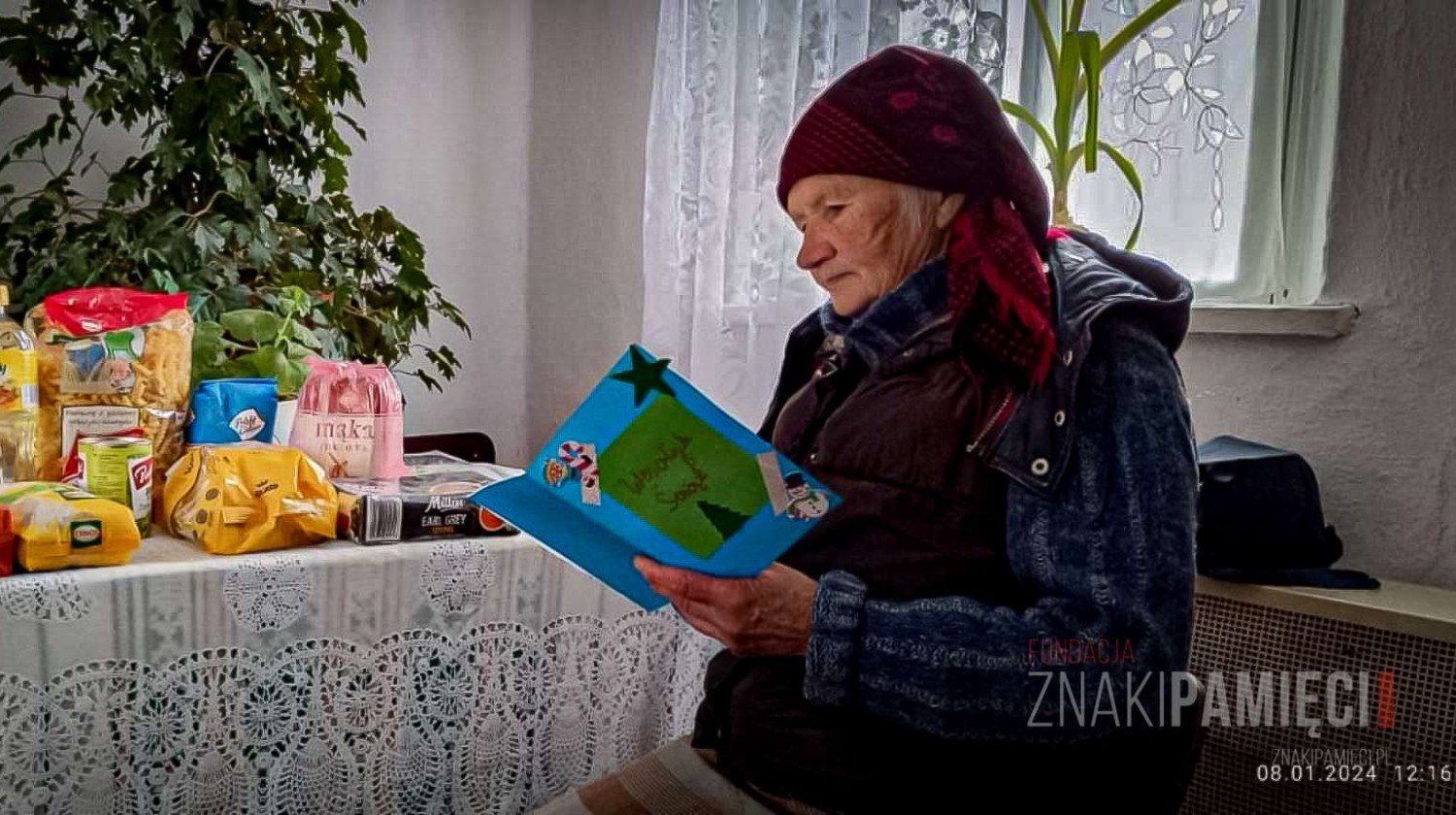
The main "victim" of these criminal actions by the Russian Federation is the civilian population of Ukraine, among which the largest national minority (officially around 750,000 people, but even up to 2 million claim family ties to Poland or Polish heritage) is the Polish community, largely made up of elderly, lonely, dependent, and ill individuals—according to reports from the World Health Organisation, these are the people most at risk from military actions. It’s particularly moving because many of them have faced injustices throughout history—Poles who have "always" lived in these lands—those who remained against their will in the USSR after the Treaty of Riga in 1921, descendants of the so-called Polish Operation of the NKVD in 1937, or Poles who were forcibly made citizens of the USSR after World War II. In this context, our organisation’s humanitarian mission #SwitchOnTheLightForUkraine, which has been running since 2022, especially ensuring that Polish communities receive supplies of medical, rehabilitation, food, and electricity sources, serves both to provide minimum living standards to a wide range of beneficiaries and often saves lives and health. It also clearly shows that the modern Polish State and Poles around the World haven’t forgotten their compatriots from the East, who have been heavily impacted by fate through no fault of their own.
The objective need to continue our humanitarian mission in 2026—this is now the fifth year of regular military actions in the neighbouring state; actions largely directed against the civilian population, among which a significant portion consists of Poles and people of Polish descent—remains crucial for the survival of the Ukrainian state, protecting and supporting civilians in critical moments (particularly Polish communities, to which a significant part of our aid is directed), and increasingly, unfortunately, for securing the vital interests of the Republic of Poland regarding our own diminishing security (as clearly shown by events over the past 12 months when Russian drones flew over our territory, sabotages occurred against critical infrastructure, and state and civilian facilities were set on fire). Russian bombs are still falling on the civilian population in Ukraine, noticeably more than in recent months, and the already fragile military capabilities of Ukraine (and thus the ability to protect civilians) seem to be nearing exhaustion—both due to internal Ukrainian factors and the worsening international situation. Continuing to support Ukraine in its fight against the Russian invasion—especially humanitarian aid to civilians, including the Polish population, which we’ve been doing since the start of the war—has been and remains one of the most urgent needs for modern Europe, the world, but above all for the Republic of Poland and its institutions, both in everyday practical terms and, perhaps most importantly, morally.
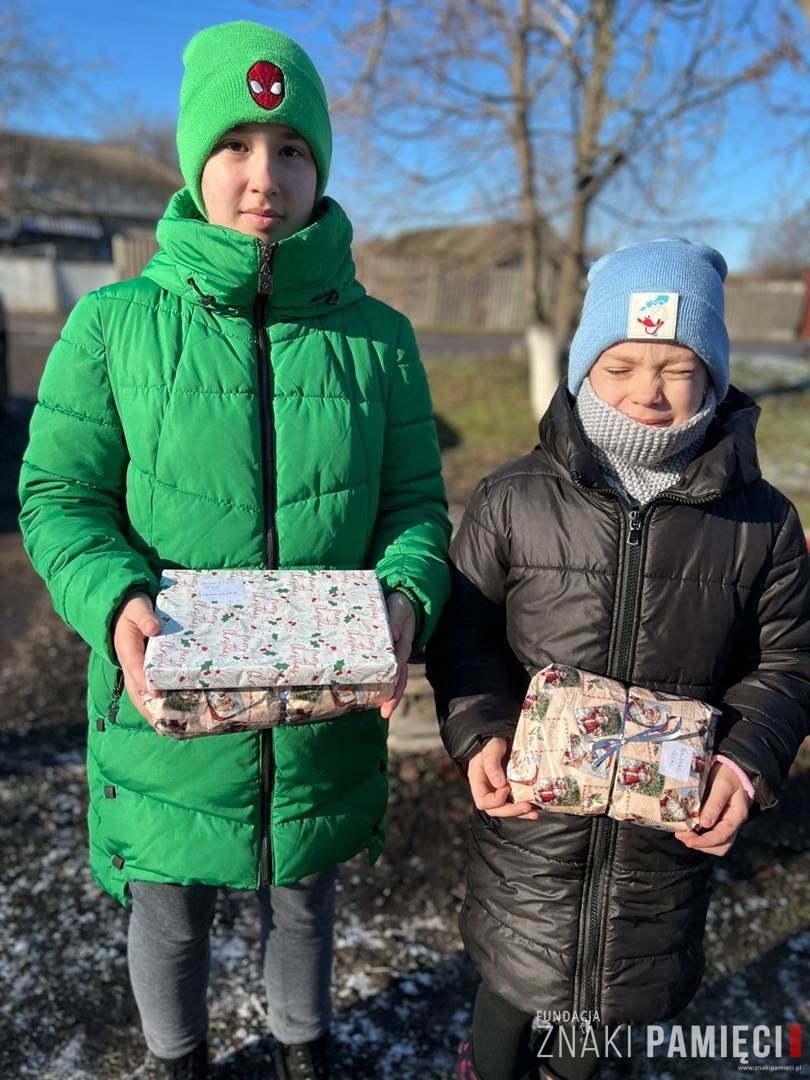
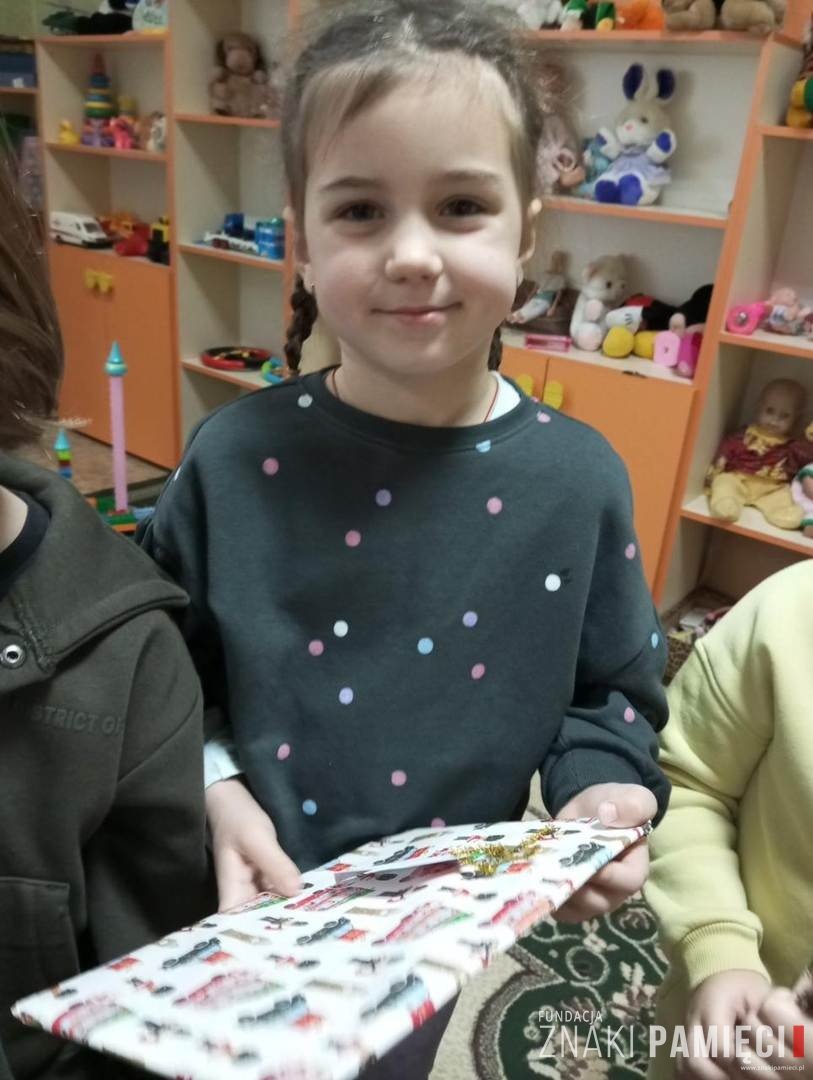
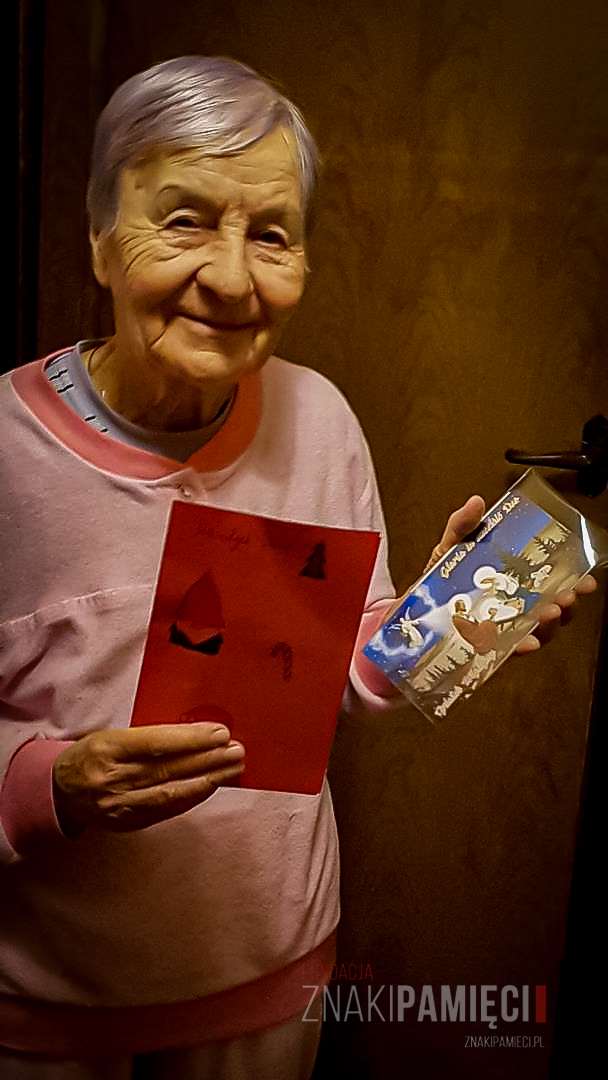
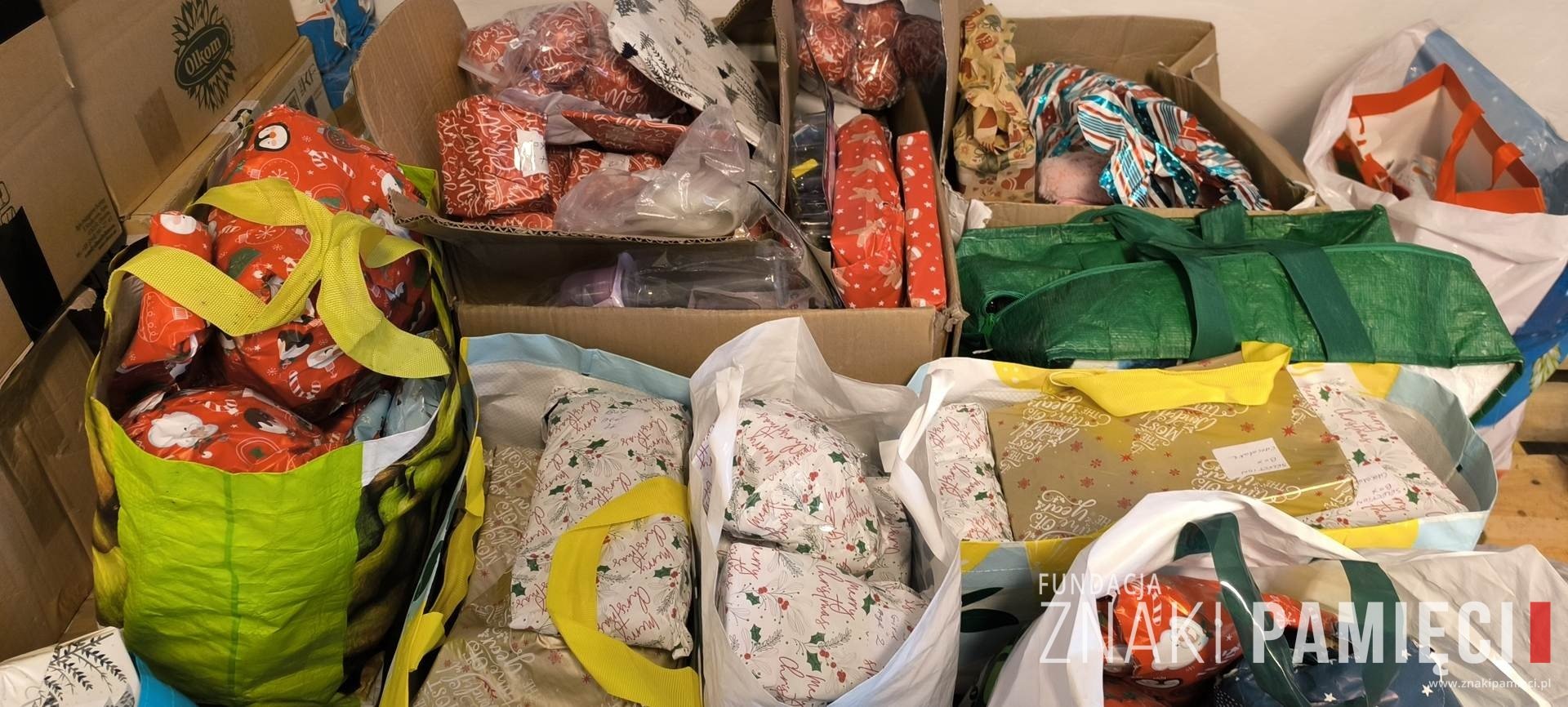
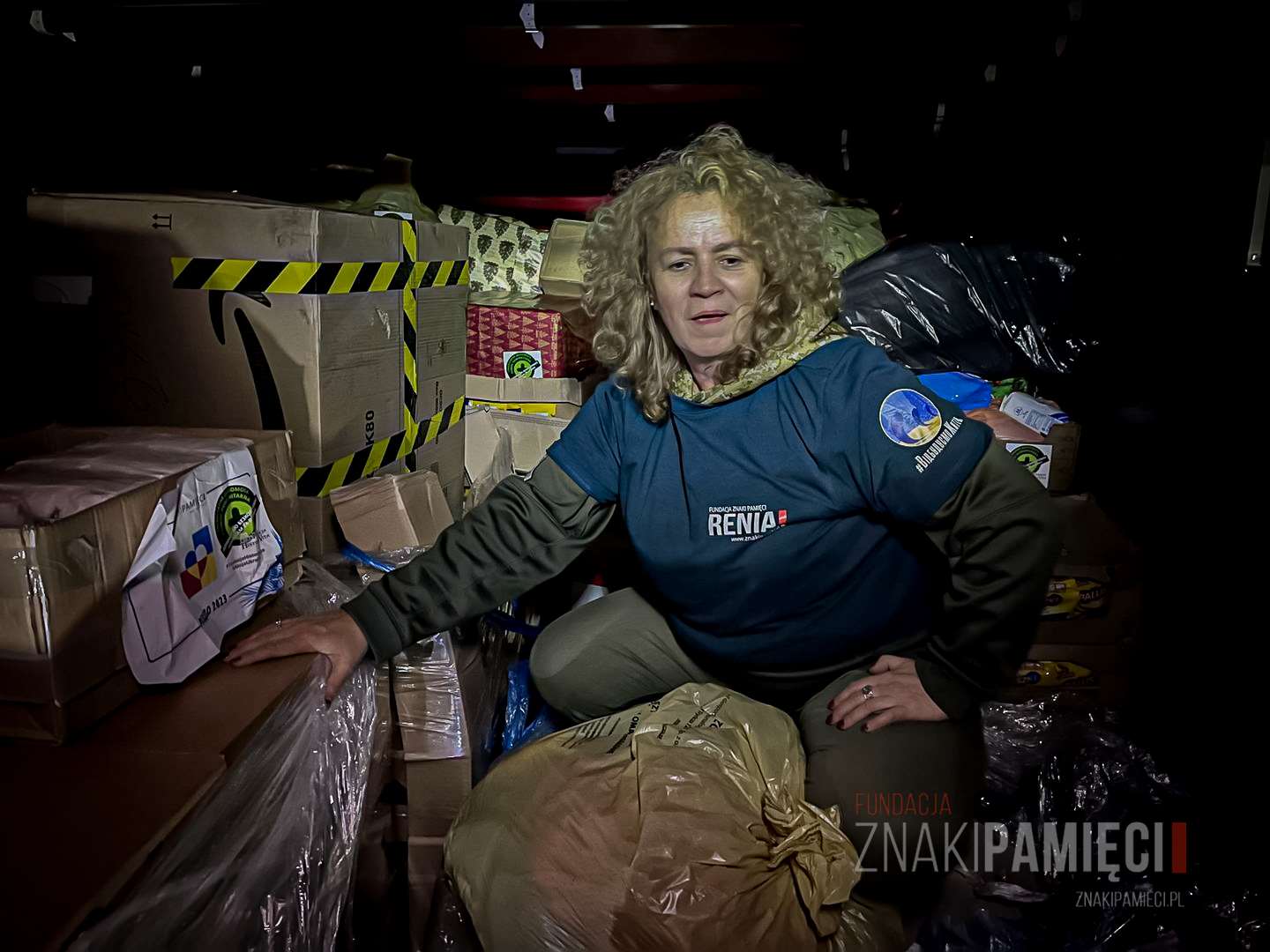
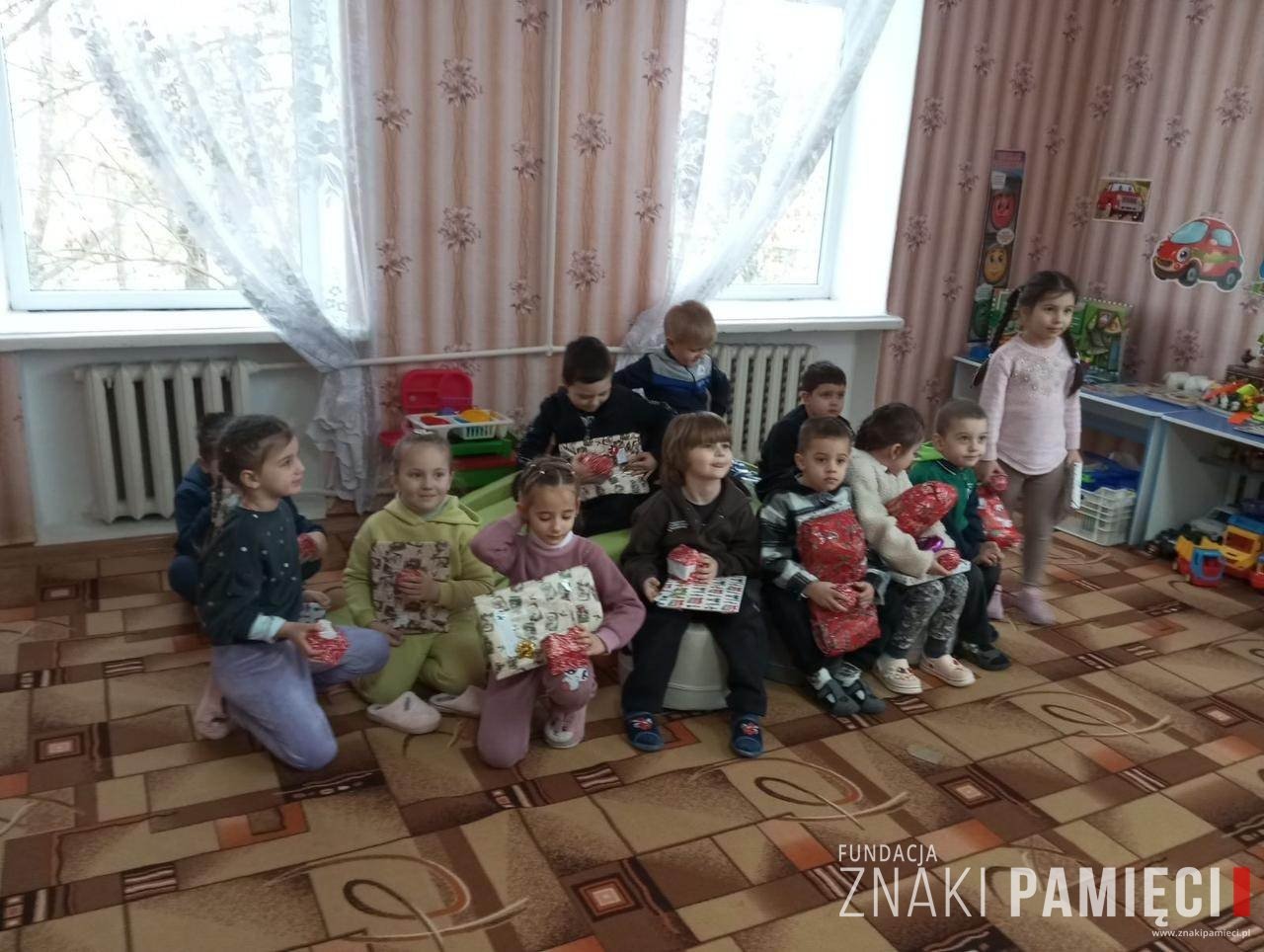
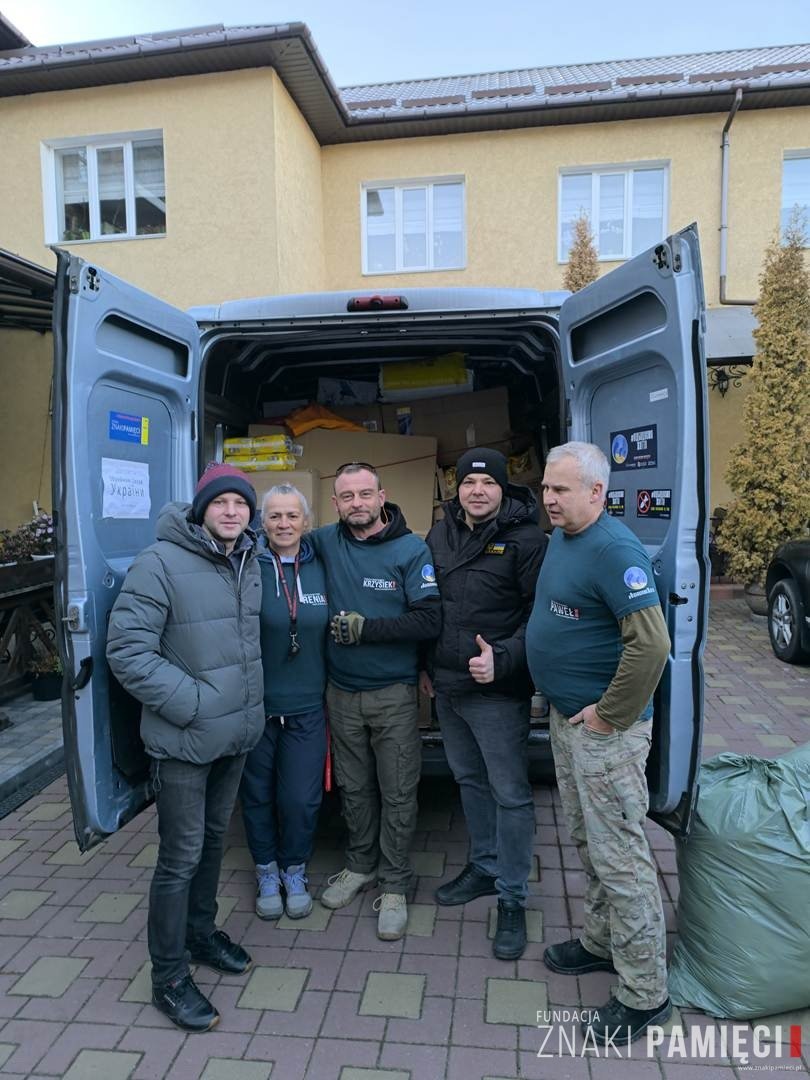
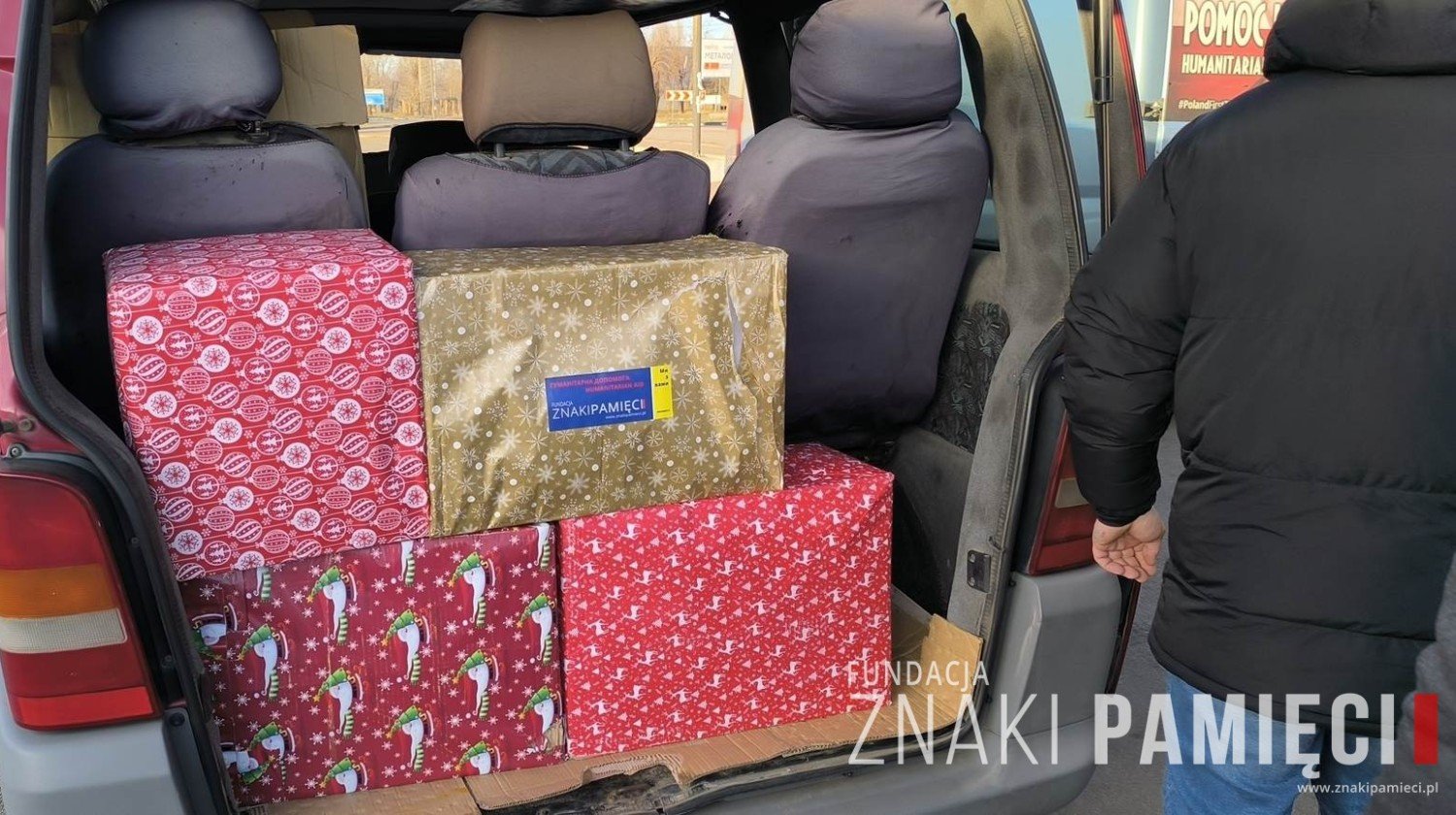
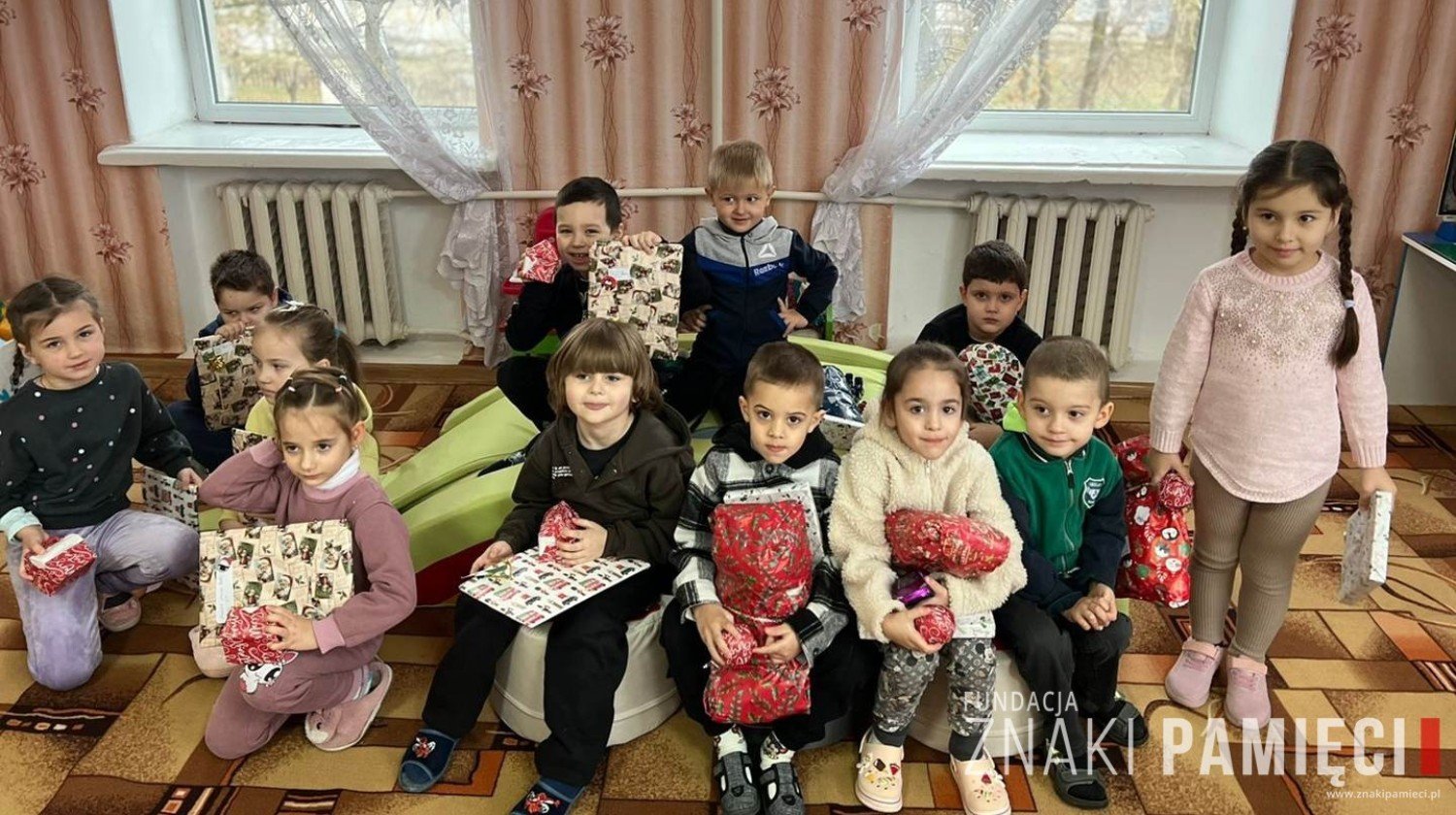
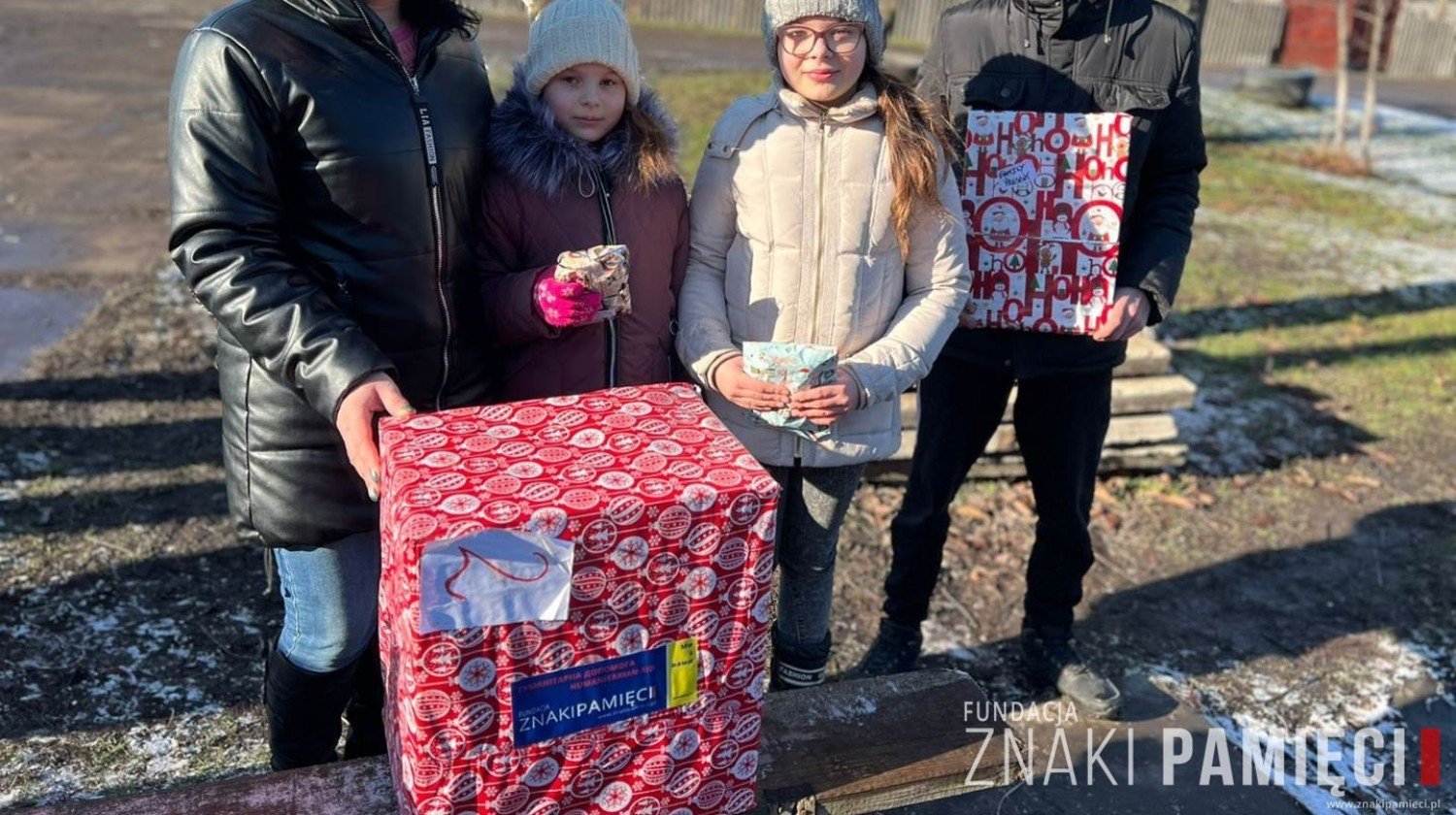
The Znaki Pamięci Foundation has been involved in aid efforts for Ukraine from the very first hours of the war. Over the past four years of our humanitarian mission, we’ve delivered aid worth nearly 20 million zł and weighing close to 500 tons. This includes both items we purchased using our own funds and those donated by benefactors, as well as material aid we’ve been acquiring since the war began: food, medical supplies, rehabilitation items, and more. The first and most natural group we focused on were the Polish communities in Ukraine—our good friends and acquaintances we’ve been working with for years—Polish Houses, community centres, hospices, parishes. Over time, we started reaching out to the Ukrainian community as well, often through them. It’s an incredible example of solidarity—people we’ve supported directly for years are now helping others in need. Despite being in difficult and often tragic situations themselves, and in light of historical challenges and their own tough fates, they chose not to leave Ukraine in the face of the Russian invasion; they’ve remained where they belong and where they’re most needed. We believe this action deserves the highest recognition.
More details:
https://znakipamieci.pl/pomoc-humanitarna
REMEMBER - EVERY SINGLE ZLOTY EURO, DOLLAR, POUND MEANS MORE MILES WE CAN COVER WITH HELP!
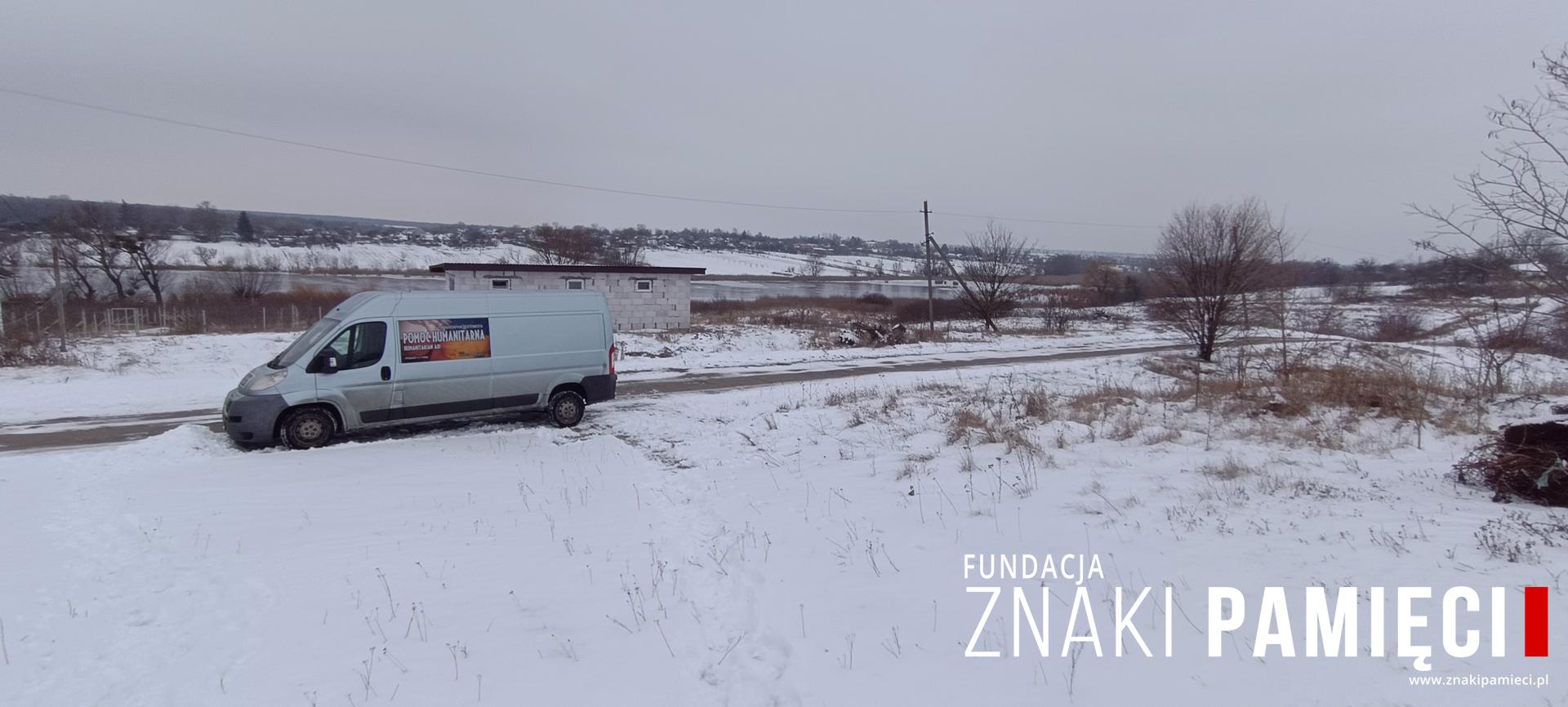
Our organization has been on this mission since the very first days of the war in Ukraine, working primarily in the field under wartime conditions — on Ukrainian territory — delivering aid to both civilians affected by military actions and medical assistance to Ukrainian soldiers, as well as supporting the rehabilitation of the most severely injured soldiers. This is already the fifth year of our wartime mission.
HINT: WATCH THE MOVIE ABOVE TO MEET OUR TEAM AND SEE OR WORK
POLISH HOUSE IN ZAPOROŻE AND ITS ACTIVITIES - A QUICK SAMPLE OF OUR WORK
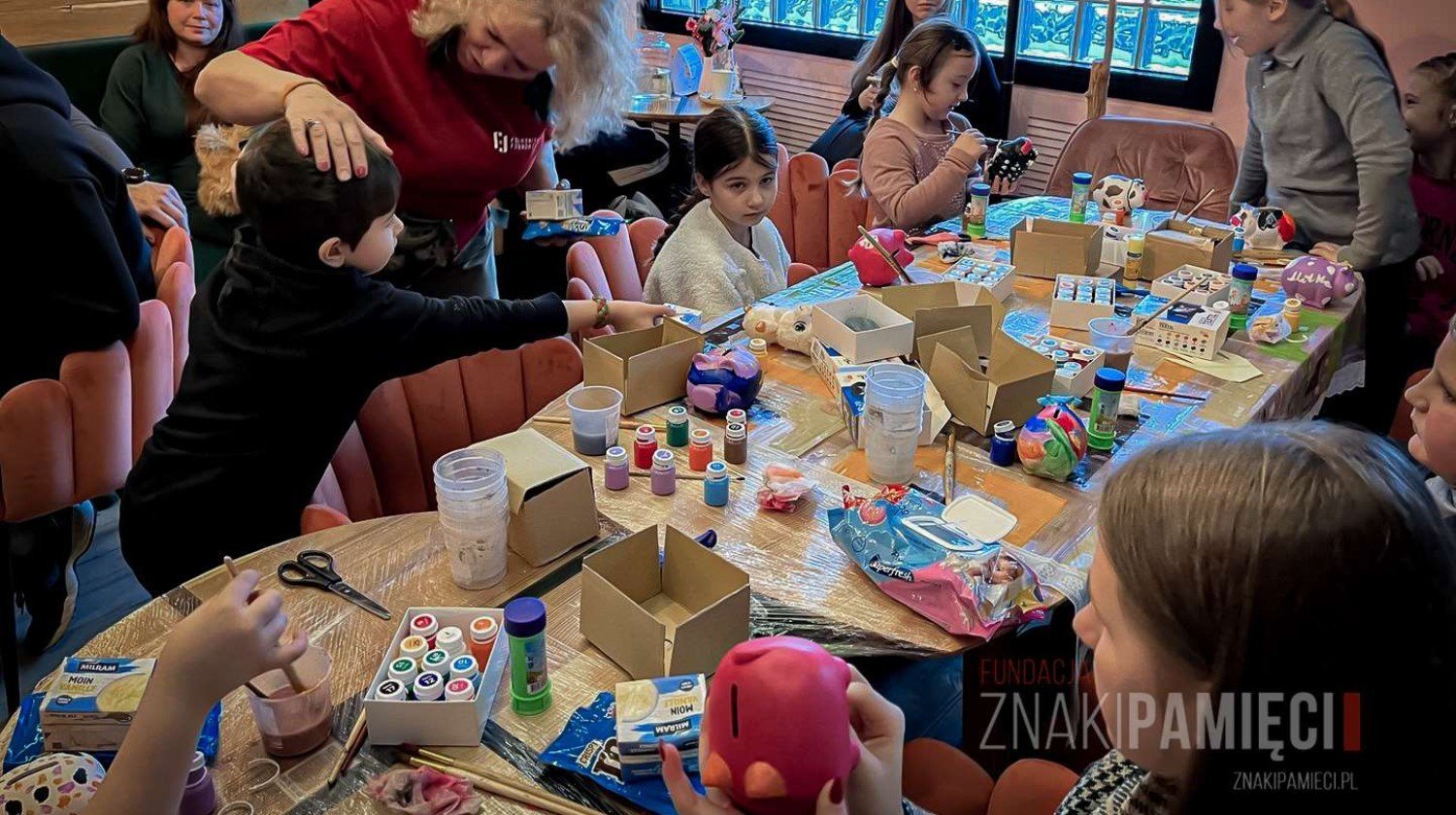
One of the organisations we’ve been supporting in Ukraine is the Polish House in Zaporoże, along with the Polish Culture Association of Donbas named after St. John Paul II. Both organisations operate just a few kilometres away from ongoing military actions—mere kilometres from the front line—caring for hundreds of people of Polish descent or those with family ties to Poland. As we mentioned earlier, many of these individuals are elderly, sick, and often dependent, requiring constant care—including medical care. No one needs to be told how challenging and risky this task can be in a place where residential buildings, public facilities, and health centres are destroyed almost daily; a place where Russian missiles regularly fall, drones explode, and air raid alarms are more common than silence. In a place where kids do go to school, but it’s in an underground setting, teaching in basements and shelters. Where there’s more death than life.
In the last weeks of 2025, the Polish House also suffered from another Russian drone strike. The premises used by the organisation and a large portion of humanitarian aid were destroyed. Thankfully, no one was killed or injured, thanks to luck or providence.
Despite such a tough situation, the Polish House continues its aid efforts, not just for people of Polish descent from Donbas but for all those in need—this includes residents of Zaporoże and other towns in the region, as well as people from surrounding villages (where reaching them with aid can itself be heroic) and also soldiers of the Ukrainian army wounded in military actions and being withdrawn to the rear. Often, this aid is a race against time and almost always a battle against scarcity. It’s hard to say which is more deadly—time or scarcity. Both take a heavy toll.
At the start of this year, in the toughest winter conditions in years, the Polish House acquired a building from the city authorities—a former, damaged hotel. Here, they’re planning to create a Mercy House, initially with 40 beds, serving as a care home for the elderly, sick, and dependent, as well as a Rehabilitation Centre aimed at helping soldiers recover from injuries sustained in combat. This task is incredibly challenging as the centre is being built practically from scratch in a destroyed and abandoned hotel.
The Znaki Pamięci Foundation proudly (and hopefully) joins in this effort—just like with our help for other Polish communities in Ukraine. Working alongside the leadership of the Polish House in Zaporoże and the Polish Culture Association of Donbas, we’ll do everything we can to ensure this place is ready as soon as possible and serves its beneficiaries in the best way. We believe this is a shining example of the solidarity and cooperation that transcends all divisions in the name of the simplest form of Good. Good has no nationality, religion, history, or complicated matters to explain. Good is good, regardless of the circumstances. And it’s for everyone.
The humanitarian mission #SwitchOnTheLightForUkraine will continue in 2026 and as long as our efforts are needed. This applies to all communities we’ve helped and those who will seek our assistance. We especially plan to focus in the upcoming weeks and months on the task described above, but we won't forget our other friends. We believe this explanation fully answers the question posed at the beginning of this text.
WANT TO DO SOMETHING GOOD? JOIN US.
Remember—the greatest evil is done by those who remain indifferent. And we still care.
ZNAKI PAMIĘCI FOUNDATION
WARSAW, MARCH 2026